The Chamberlains

A Dynasty Rooted in Birmingham

By the late 19th century, the name ‘Chamberlain’ had become inseparable from the civic life of Birmingham and from the wider political life of Britain. At the centre of this remarkable family stood Joseph Chamberlain (1836–1914), a man whose ambition, energy and belief in civic progress helped shape the modern city. 

Joseph Chamberlain built a successful industrial career in his family’s Birmingham-based screw manufacturing business before turning his attention to public service. As Mayor of Birmingham, his drive transformed the city’s schools, housing and public services before he moved into national politics. Serving as MP for Birmingham for 30 years, and Secretary of State for the Colonies, Joseph became one of the most influential figures of the Victorian and Edwardian eras. His story, and that of his children, created an extraordinary political dynasty whose legacy continues to echo through the city today. 

Joseph Chamberlain (1836–1914)

The architect of modern Birmingham, Joseph Chamberlain rose from industry to one of Britain’s most influential statesmen.

Austen Chamberlain (1863–1937)

Joseph’s eldest son from his first marriage, emerged as a prominent national statesman in his own right. A long-serving MP, Austen held senior offices including Chancellor of the Exchequer and Foreign Secretary.

Neville Chamberlain (1869–1940)

Joseph’s second son was not intended to enter the world of politics, his father sent him off to the Bahamas aged 21 to start a new Chamberlain venture. Neville was extremely rooted in nature and especially the study of birds.

The Chamberlain Daughters

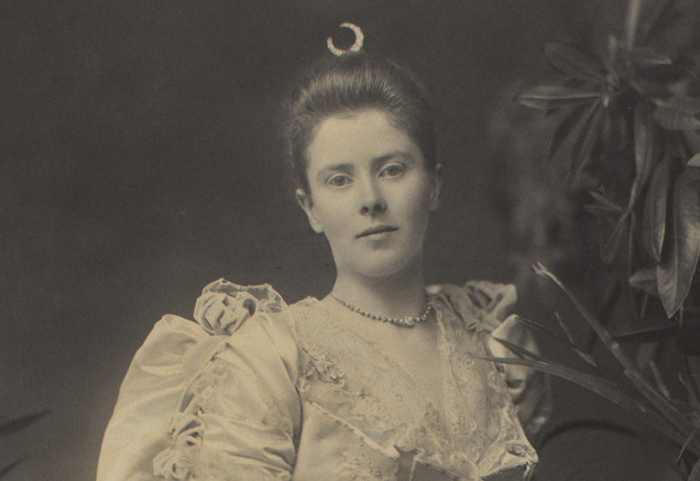
While the sons often occupied the political spotlight, the Chamberlain daughters were central to the family’s civic, organisational and social achievements.

The Chamberlians were not alone here at Highbury with cousins taking up residence in mansions and grand houses across what is now south BIrmingham there was a real community of Chamberlains, Nettlefolds and Kenricks.

Together, through Joseph’s municipal innovations, Austen’s diplomacy, Neville’s premiership, and the organising work of their sisters, the Chamberlains transformed Birmingham, shaped national politics, and left a legacy that rippled through generations.

Their story, rooted in ambition, civic duty and the belief that cities can be engines of progress, continues to inspire. Highbury and the many archives, letters and memoirs offer a rich window into the lives of a family whose influence still resonates today.

Highbury aims to be a place that brings their lives vividly to audiences so that we can learn more about power, influence and civic leadership.

Further reading: the University of Birmingham and local history groups hold extensive Chamberlain papers and family memoirs for anyone wishing to follow the personal letters, political speeches and daily routines that made the Chamberlains a household name.

Timeline

Further reading

Mary Chamberlain, Joseph Chamberlain’s third wife, had a lifelong passion for fashion. As a leading political hostess, Mary attended a large number and varied range of social functions where the ‘correct’ dress was essential.

From Birmingham’s town hall to Westminster’s corridors of power, Joseph Chamberlain reshaped politics with bold reform, civic pride and a vision that still defines modern Birmingham.

Discover how we are researching and interpreting Joseph Chamberlain’s role in the British Empire and its lasting legacy.

An insight into Joseph and Mary Chamberlain’s Prince’s Gardens (London residence) guest book, reveals a list of influential politicians, diplomats, and cultural figures, which reflected the diversity of Edwardian society.

Highbury Hall

Privacy Overview

This website uses cookies so that we can provide you with the best user experience possible. Cookie information is stored in your browser and performs functions such as recognising you when you return to our website and helping our team to understand which sections of the website you find most interesting and useful.